


Revitalize your look ..boost your confidence
What is the Hair loss?
Hair loss, or alopecia, is a condition characterized by the thinning or complete loss of hair from the scalp or other areas of the body. It can manifest as diffuse thinning, bald patches, or total baldness, and varies in severity. The most common type is androgenetic alopecia, which is hereditary and linked to hormonal changes, particularly the effects of dihydrotestosterone (DHT). Other forms include telogen effluvium, a temporary shedding due to stress or hormonal changes; alopecia areata, an autoimmune disorder causing patchy hair loss; and traction alopecia, resulting from tight hairstyles. Anagen effluvium, associated with chemotherapy, and scarring alopecia, where inflammation leads to permanent follicle damage, are also notable types. Causes of hair loss can range from genetics and hormonal shifts to medical conditions, medications, nutritional deficiencies, and stress. Identifying the root cause is essential for effective treatment and management.
How does Hair loss treatments work?
Hair loss treatments work by targeting the underlying causes of hair thinning and stimulating regrowth through various mechanisms. Medications like minoxidil improve blood flow to the scalp and extend the growth phase of hair follicles, while finasteride reduces levels of dihydrotestosterone (DHT), a hormone linked to follicle shrinkage. Platelet-Rich Plasma (PRP) therapy involves injecting concentrated platelets into the scalp to rejuvenate hair follicles and enhance growth. Stem cell therapy uses regenerative cells to repair and stimulate follicles, though it is still developing. Hair transplant surgery moves healthy follicles from one area of the scalp to thinning regions, with techniques like Follicular Unit Transplantation (FUT) and Follicular Unit Extraction (FUE). Laser therapy applies low-level lasers to boost follicle activity and hair density. Additionally, hair care products and nutritional supplements support overall hair health by nourishing the scalp and addressing deficiencies, thereby complementing other treatments. Each approach works to either stimulate dormant follicles, improve scalp health, or manage hormonal imbalances, aiming to restore or enhance hair growth.
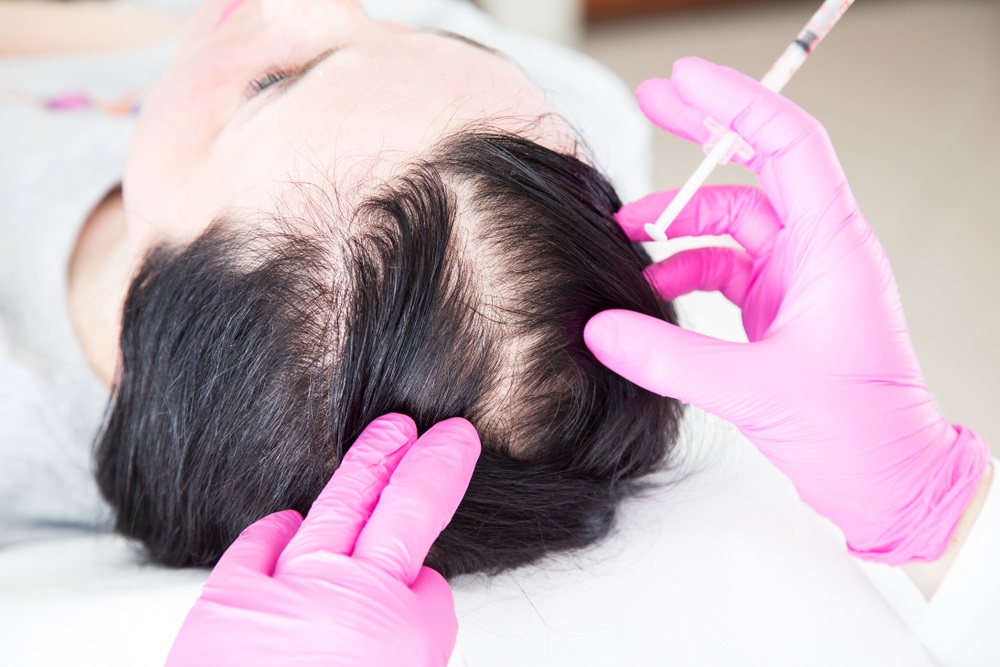
Are you tired of seeing thinning hair or bald spots in the mirror? Discover the transformative power of our cutting-edge hair loss treatments! From the revolutionary Platelet-Rich Plasma (PRP) Therapy that revitalizes your follicles with your own growth factors, to advanced Stem Cell Therapy for unparalleled hair regeneration, we offer solutions tailored to your needs. Our FDA-approved medications, like Minoxidil and Finasteride, are designed to halt hair loss and stimulate growth, while our state-of-the-art laser therapy promotes thicker, healthier hair. For a more permanent solution, explore our precision Hair Transplant Surgery options, including Follicular Unit Extraction (FUE) and Follicular Unit Transplantation (FUT). Enhance your results with our premium hair care products and nutritional supplements, crafted to nourish and strengthen your hair from the inside out. Don’t let hair loss define you—reclaim your confidence and enjoy fuller, thicker hair with our expert treatments. Book your consultation today and start your journey to a revitalized you.
FAQ
During a hair loss treatment, the specific processes vary based on the chosen method. For medications like Minoxidil, users apply the solution or foam directly to the scalp, while Finasteride is taken orally to inhibit the hormone DHT. In Platelet-Rich Plasma (PRP) Therapy, a small amount of blood is drawn, processed to concentrate the platelets, and then injected into the scalp to stimulate follicle rejuvenation. Stem Cell Therapy involves either harvesting stem cells from the patient’s body or using derived products, which are then injected into the scalp to promote hair regrowth. Hair Transplant Surgery includes techniques like Follicular Unit Transplantation (FUT) and Follicular Unit Extraction (FUE), where hair follicles are either transplanted from a donor strip or individually extracted and implanted into thinning areas. Laser Therapy uses low-level lasers applied to the scalp to boost follicle activity, requiring multiple sessions for optimal results. Additionally, hair care products and nutritional supplements are used daily to improve scalp health and provide essential nutrients to support hair growth. Each treatment involves specific procedures and follow-up care to ensure effectiveness and manage recovery.
Hair loss treatments offer significant benefits, including improved hair density and restored growth in thinning or bald areas. Medications like Minoxidil and Finasteride, along with therapies such as PRP and laser treatments, can effectively stimulate dormant follicles and slow down or halt further hair loss. For those seeking more permanent solutions, hair transplants and stem cell therapies can lead to substantial regrowth, enhancing overall appearance and boosting self-confidence. Additionally, treatments that promote better scalp health and provide essential nutrients can support a healthier environment for hair growth. Non-surgical options also provide effective solutions without the need for invasive procedures. Ultimately, successful hair loss treatments can enhance both physical appearance and emotional well-being, leading to a renewed sense of confidence and improved quality of life.
Post-treatment instructions after a hair loss procedure are crucial for optimizing results and ensuring proper healing. Here are common guidelines for various hair loss treatments:
1. Medications:
Topical Treatments (e.g., Minoxidil): Apply as directed, usually twice daily. Avoid washing the scalp for a few hours after application to ensure absorption. Do not cover or wrap the treated area immediately after application.
Oral Medications (e.g., Finasteride): Take as prescribed, typically once daily. Consistency is key, and it’s important to follow dosage instructions carefully.
2. Platelet-Rich Plasma (PRP) Therapy:
Post-Procedure Care: Avoid touching or massaging the treated area for at least 24 hours. Refrain from using harsh hair products or engaging in strenuous exercise for a few days to reduce the risk of irritation.
Scalp Care: Keep the scalp clean and avoid exposure to direct sunlight or excessive heat. Follow your provider’s recommendations for washing and hair care.
3. Stem Cell Therapy:
Post-Procedure Care: Similar to PRP, avoid touching or rubbing the scalp. Adhere to any specific aftercare instructions provided by your healthcare provider.
Avoid Irritants: Refrain from using strong hair products or exposing the scalp to extreme temperatures and environmental irritants.
4. Hair Transplant Surgery:
Immediate Care: Follow instructions on how to clean the scalp and manage any swelling or discomfort. Use prescribed medications for pain or infection prevention as directed.
Avoid Physical Activity: Limit strenuous activities and heavy lifting for a few weeks to prevent strain on the healing scalp.
Hair Washing: Follow specific guidelines for washing your hair, often starting with gentle, non-abrasive shampoos. Avoid direct water pressure on the transplanted areas.
5. Laser Therapy:
Post-Treatment Care: Maintain the recommended treatment schedule and avoid excessive heat or sunlight on the treated area. Follow any additional instructions given by your provider.
6. Hair Care Products and Nutritional Supplements:
Product Use: Continue using recommended shampoos, conditioners, and topical treatments as directed. Avoid switching products frequently.
Supplements: Take nutritional supplements consistently, adhering to the recommended dosage for optimal results.
1- Personalized Treatment Plans: Each treatment is customized to meet your needs and aesthetic goals.
2- Natural-Looking Results: Our skilled practitioners focus on achieving natural-looking results that enhance your unique features.
3- Safe and Comfortable Experience: We prioritize your safety and comfort throughout the entire process, from initial consultation to post-treatment care.
4- Consultation and Follow-Up: Our team will provide comprehensive guidance and support throughout your aesthetic journey.
5- Continued Care: We offer personalized aftercare recommendations to optimize and maintain your results.